How Is Fault Determined in a Colorado Car Accident?
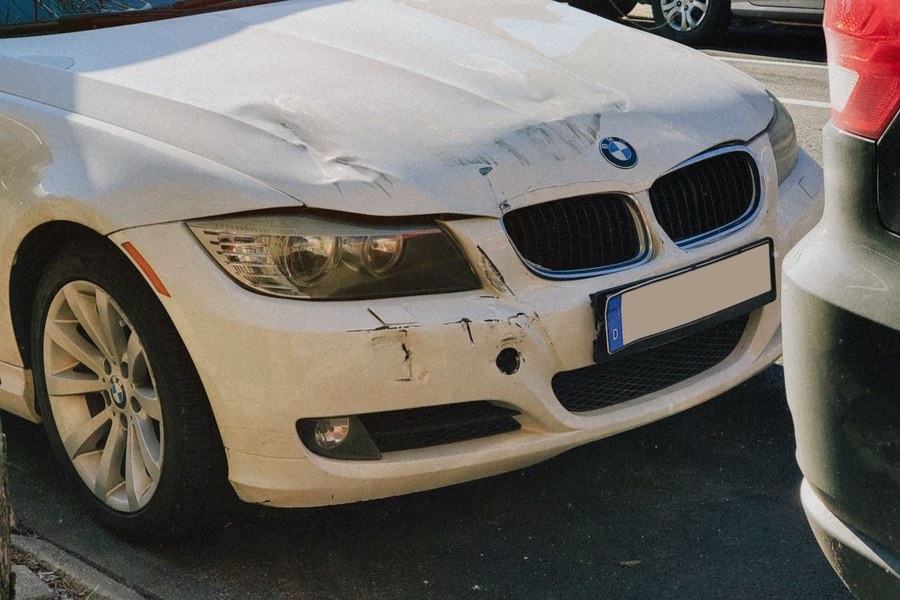
After a crash, everyone has an opinion about who caused it. The other driver, the witnesses, the officer at the scene, and eventually an insurance adjuster who was not there at all. Only one of those opinions comes with money attached.
Fault in a Colorado car accident is not a single decision made at the scene. It is a percentage, assigned later, and in Colorado that percentage can wipe out your claim entirely.
Is Colorado an At-Fault or No-Fault State?
Colorado is an at-fault state. It moved away from no-fault insurance in 2003.
In practical terms, the driver responsible for the crash, through their insurance, pays for the resulting harm. There is no automatic coverage of your own medical bills regardless of fault, which is how no-fault states operate. Establishing who caused the crash is the central question in every claim.
What Is Modified Comparative Negligence in Colorado?
Colorado uses modified comparative negligence, set out in C.R.S. § 13-21-111. Fault is divided among everyone involved as percentages, and your recovery is reduced by your share.
There is a hard cutoff. If your negligence is as great as the negligence of the party you are claiming against, you recover nothing.
How that works in dollars on a $100,000 claim:
- 0 percent at fault: you recover $100,000
- 10 percent at fault: you recover $90,000
- 30 percent at fault: you recover $70,000
- 49 percent at fault: you recover $51,000
- 50 percent or more at fault: you recover nothing
That last line is why fault percentages are fought over so hard. Moving you from 49 to 50 does not trim the claim, it ends it.
What Evidence Is Used to Determine Fault?
Fault is built from the total picture, not one document. Evidence commonly includes:
- The police or crash report
- Photographs of vehicle damage, skid marks, and road conditions
- Witness statements
- Traffic camera, dashcam, doorbell, or nearby business video
- Vehicle event data recorder information, sometimes called black box data
- Physical evidence such as debris fields and points of impact
- Cell phone records where distraction is suspected
- Accident reconstruction analysis in serious cases
- Traffic citations issued at the scene
Certain violations point strongly toward fault, including running a red light, failing to yield, following too closely, unsafe lane changes, speeding, and impaired driving.
Does the Police Report Determine Fault?
No, and this is probably the most common misunderstanding after a crash.
The report reflects one officer’s assessment, usually formed quickly, often without video, and sometimes without speaking to every witness. It carries weight with adjusters and can be persuasive, but it does not legally decide anything.
Two consequences follow:
- A report that blames you is not the end of your claim. Reports can be supplemented, corrected, or contradicted by other evidence.
- A report that blames the other driver is no promise of payment. Insurers routinely dispute reports they dislike.
Adjusters read these reports closely for phrasing. A line like “failed to see the other vehicle” can get converted into a fault percentage, so narrative wording matters more than people expect.
How Do Insurance Companies Assign Fault Percentages?
Early in a claim, the percentage is not a legal finding. It is a position taken by an adjuster, and it is negotiable.
The insurer reviews the report, photos, statements, and your recorded interview if you gave one, then assigns a number that serves their interests. Common arguments used to push fault onto an injured driver include:
- You were speeding, even slightly
- You were following too closely
- You could have avoided the crash
- You were distracted
- You were not wearing a seatbelt
- Your injuries came from something else
If the case does not settle, fault is ultimately decided by a jury, not the insurer. That possibility is what gives negotiation its leverage.
What Happens When More Than One Driver Is at Fault?
Multi-vehicle crashes get allocated across several parties. Colorado generally applies pro rata liability, meaning each defendant is responsible for their own share rather than the whole amount.
This matters because a defendant with a small percentage of fault pays only that portion. In crashes involving several vehicles or an uninsured driver, the available recovery can be smaller than the total damages suggest.
How Can You Protect Yourself From an Unfair Fault Finding?
Most of what determines fault is gathered in the first days, long before anyone disputes anything.
- Call the police and make sure a report is created
- Photograph everything, including both vehicles, the full scene, signals, signage, and road conditions
- Get names and numbers for witnesses before they leave
- Seek medical attention promptly, since treatment gaps become an argument later
- Avoid apologizing or speculating about cause at the scene
- Be careful with recorded statements to the other driver’s insurer
- Request a copy of the crash report and read it for errors
- Ask about nearby video quickly, since most systems overwrite within days
Admissions of fault made casually at the scene have a way of resurfacing in adjuster notes.
Can You Still Recover If You Were Partly at Fault?
Yes, as long as your share stays below the bar. Many people assume that any responsibility ends their claim and never pursue it, which is exactly the assumption that saves insurers money.
If you believe you were somewhat at fault, that assessment is worth testing. People consistently overestimate their own share in the immediate aftermath, before the physical evidence is analyzed.
Fault Is a Percentage, and It Is Negotiable
Fault in a Colorado crash is not decided by the officer, the other driver, or the adjuster who calls you. It is assembled from evidence, argued over, and ultimately decided by a jury if no one agrees.
Dawson Law handles vehicle crash claims throughout Boulder and Colorado. Talk with a Boulder personal injury lawyer if fault is being assigned to you, and contact us while the evidence can still be gathered.
Author Bio

Ryan Dawson-Erdman is the founder of Dawson Law Office, a top-rated criminal defense firm located in Boulder, Colorado. As an aggressive advocate, Ryan focuses his practice on defending against serious criminal charges, including sex crimes, Title IX violations, and federal offenses. He has taken nearly a dozen cases to jury trial, showcasing his exceptional litigation skills. His legal skills have earned him numerous accolades over the years, including being selected to Super Lawyers Rising Stars for 2022-2024.
A Colorado native, Ryan attended the prestigious Gerry Spence Trial Lawyers College to further refine his courtroom abilities. He earned his J.D. from Loyola University New Orleans and his B.A. from the University of Colorado Boulder. Ryan is an active member of the National Association of Criminal Defense Lawyers and the Colorado Criminal Defense Bar. His firm provides tenacious representation for all criminal charges in Boulder, Denver, and the surrounding areas.